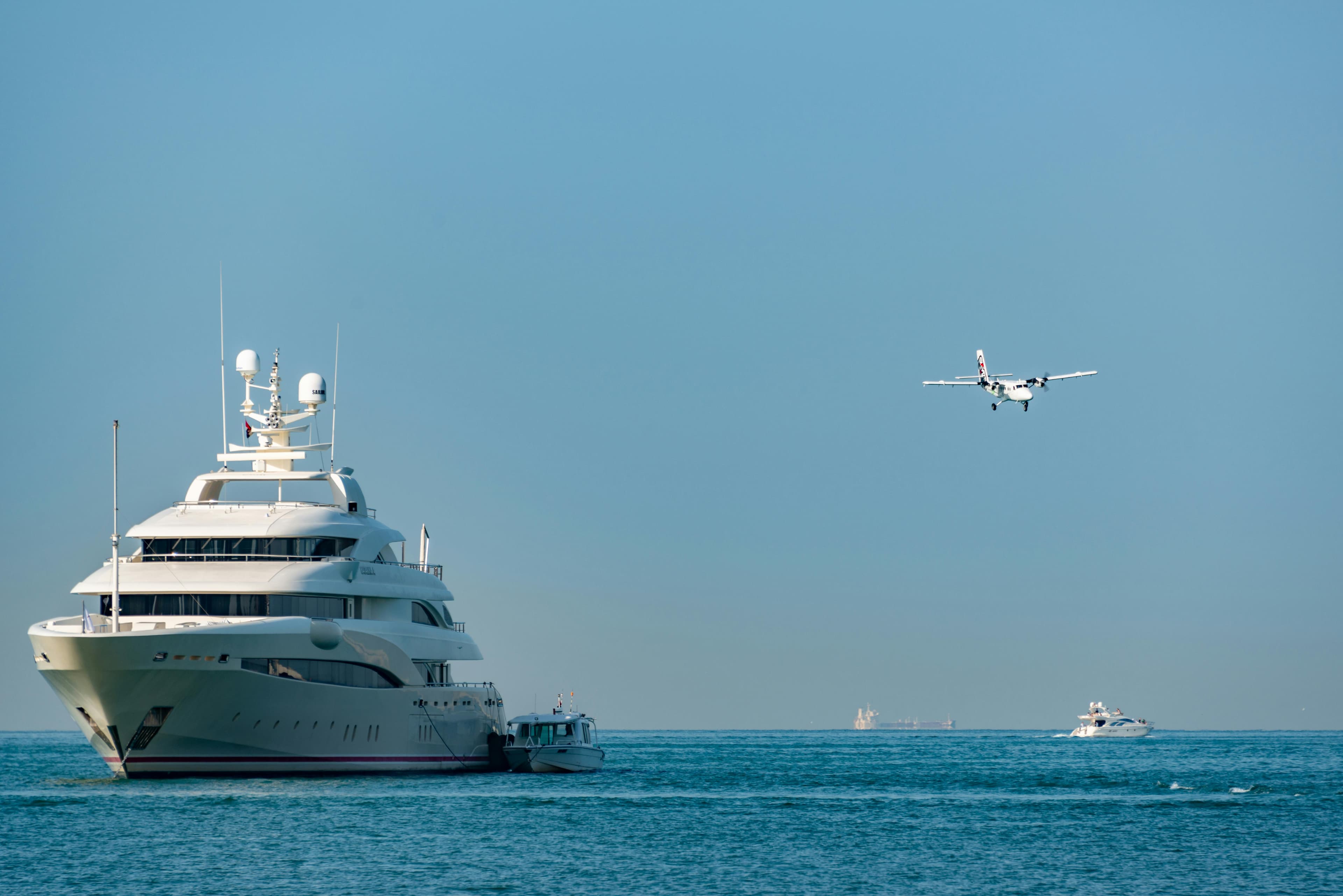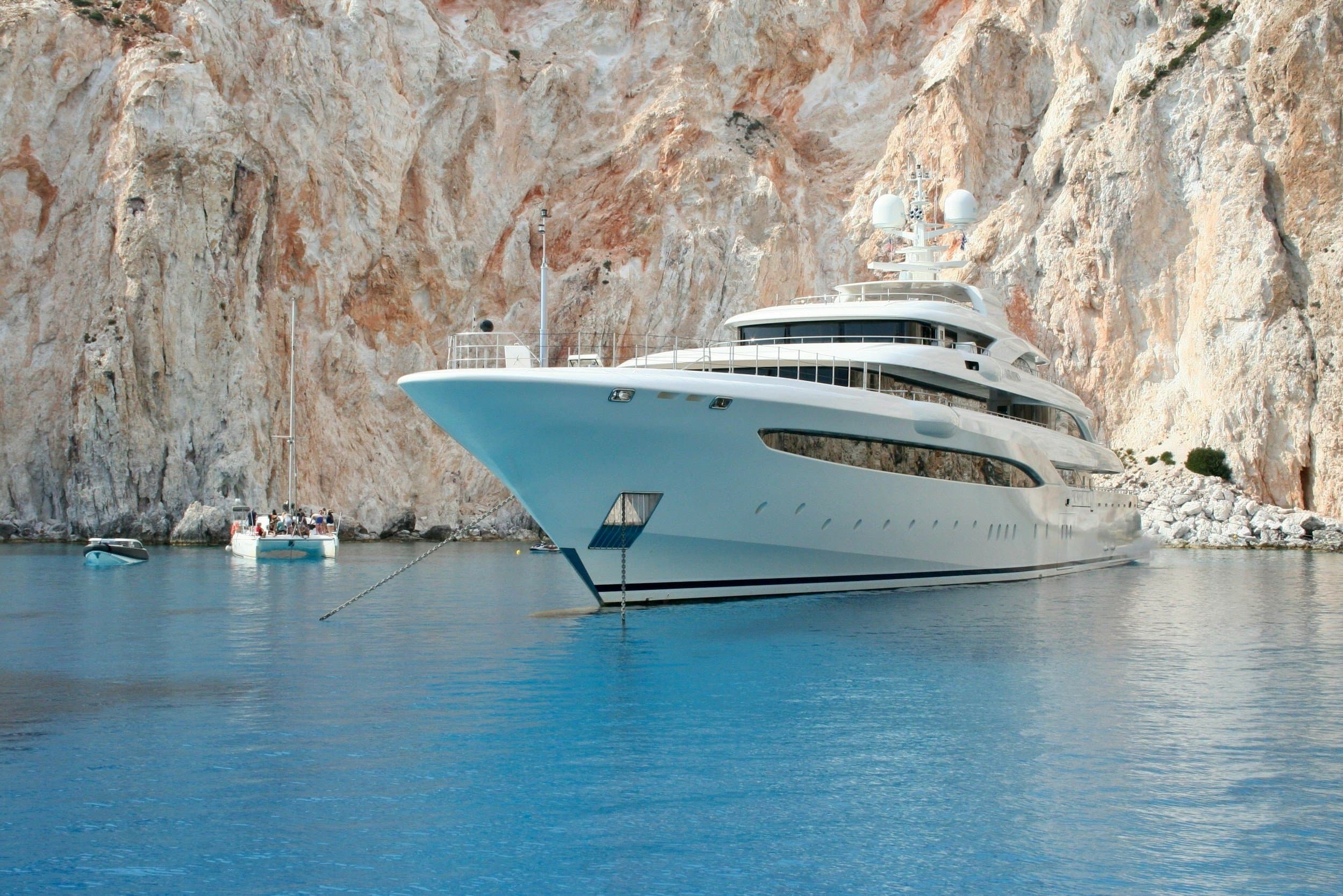
A Greek Islands yacht charter itinerary is not one product. It is four or five very different weeks, and the mistake most first-time charterers make is picking the islands they've heard of instead of the islands that fit the people on board. Santorini is famous. Santorini is also a caldera anchorage with no shelter, a tender ride into a cruise-ship port, and a sunset that ten thousand other people are also watching. That may be exactly what your guests want. It also may be the thing that quietly ruins the trip.
We run charters out of Athens, Corfu, Bodrum, and occasionally Rhodes, and the conversation we have with every client before we ever send a yacht shortlist is the same one a good captain would have: who is on board, how many nights, what do they actually want to do between breakfast and the first swim. Answer that honestly and the itinerary picks itself. Answer it with a brochure and you end up motoring six hours a day into a meltemi swell to hit islands nobody remembers the name of.
What follows is how we think about matching cruising ground to guest — Cyclades, Ionian, Dodecanese, Sporades, and the Saronic — with the operational details that actually shape the week.
The Cyclades: high-energy, high-wind, high-recognition
The Cyclades are what most people mean when they say Greek islands. Mykonos, Santorini, Paros, Ios, Milos, Antiparos, Folegandros, Sifnos, Serifos. The archipelago runs roughly southeast from Attica, and the meltemi — the dry north wind that blows from mid-July through August — is the single biggest planning factor. It can hit 30 to 40 knots for days at a stretch, which means your itinerary either works with it or fights it. Southbound legs are fast and comfortable. Northbound returns to Athens can be miserable on the wrong hull.
This is the right cruising ground for guests who want a scene. Nammos, Scorpios, and the Nikki Beach circuit in Mykonos. A tender ride to Ammoudi Bay under the Santorini caldera. A DJ set at Scorpios on a Sunday afternoon that spills into a late dinner back on board in Ornos Bay. Guests in their thirties and forties who want the boat to be a floating suite between shore-based nightlife tend to love the Cyclades. Guests looking for quiet do not.
Operational realities in the Cyclades
Mykonos New Port berthing in high season is genuinely difficult. Superyachts over 50 meters are often on the wall for a night or two at most, and the port authority requires advance coordination through a local agent — not something you sort out at 4 p.m. the day you arrive. Santorini has no proper superyacht berth; you anchor in the caldera at 200-plus meters depth on a long line to a rock, and if the wind clocks around you are moving at 3 a.m. A capable captain plans for it. A captain new to Greek waters does not.
Fuel bunkering, provisioning of anything beyond basics, and any real technical support means either Athens on the front end or a run back to Lavrio mid-charter. Build that into the calendar.
The Ionian: soft water, short hops, families
The Ionian is the opposite trip. Corfu south through Paxos, Antipaxos, Lefkada, Meganisi, Ithaca, Kefalonia, down to Zakynthos. The water is a color that does not look real in photos. The distances between anchorages are short — often under two hours at cruising speed — which changes the entire rhythm of the day. You wake up somewhere, swim before breakfast, move ninety minutes to lunch, swim again, move an hour to a taverna dinner ashore. Nobody spends four hours strapped into a salon watching the horizon.
This is the itinerary for families with kids, for multigenerational groups, and for anyone who wants the boat to be the point rather than the transport between clubs. The wind here is lighter and more predictable than the Aegean — thermal breezes in the afternoon, calm mornings — which matters for guests who get seasick, for elderly parents, and for anyone who wants to actually use the water toys.
Meganisi's Spartochori and Vathi, the tiny harbor at Fiskardo on Kefalonia, the sea caves on the west coast of Paxos, Emerald Bay on Antipaxos — these are the anchorages that make the week. Ithaca is quiet in a way the Cyclades no longer are. Corfu Town has a genuinely good dinner scene and an old Venetian core worth an evening ashore.
Where the Ionian falls short
If your guests want scene, they will not find it here. Nightlife is a beachfront taverna and a bottle of assyrtiko. That is a feature or a bug depending on the guest. Also worth knowing: charter yachts based in the Ionian sometimes cannot legally reposition to the Aegean mid-charter without paperwork that eats a day. Pick one cruising ground per week.
The Dodecanese: history, Turkey, and the long way home
The Dodecanese sit off the Turkish coast — Rhodes, Symi, Kos, Patmos, Leros, Kalymnos. This is the itinerary for guests who have already done the Cyclades twice and want something with more texture. Symi harbor at sunset, with the neoclassical facades stacked up the hillside, is one of the genuine set pieces of the eastern Mediterranean. Patmos has the Monastery of St. John and a quiet, monied Greek scene that most first-time visitors never see. Rhodes Old Town is a UNESCO site and a proper walkable evening.
The operational advantage here is proximity to Turkey. A yacht cleared to cross can hop to Bodrum, Göcek, or the Datça peninsula for a day or two, which unlocks a completely different coastline — pine forests down to the water, deep protected anchorages, ruins at Knidos. The paperwork is real. You need a transit log, crew list stamped in and out, and typically 24 to 48 hours of advance notice through an agent on each side. Build it in, or don't do it.
This itinerary suits guests interested in archaeology, in food beyond taverna standards, and in the sense that the week is going somewhere rather than orbiting a single scene. It is also the right choice for late September and October charters, when the meltemi has died down and the Cyclades feel emptied out.
The Sporades and the Saronic: the itineraries nobody suggests
Two cruising grounds get overlooked, and both deserve a second look. The Sporades — Skiathos, Skopelos, Alonissos — sit off the eastern mainland north of Athens. Alonissos is inside a national marine park, which means restricted anchoring, protected monk seal habitat, and water clarity that rivals anything in the Ionian. Skopelos is where they shot Mamma Mia, which is either charming or a reason to skip it. Access is through Skiathos airport, which handles private jets comfortably — the runway is 5,341 feet, workable for most light and midsize aircraft with a fuel-and-payload conversation. Any private jet arrangements into Skiathos should account for the short runway and the fact that fuel uplift on departure is limited.
The Saronic — Aegina, Poros, Hydra, Spetses — is the short-charter answer. Three to four nights out of Athens, no long crossings, and Hydra is genuinely one of the most beautiful ports in the Mediterranean. No cars on the island. Donkeys move luggage from the quay. It is the itinerary we suggest when a client has a business obligation in Athens and wants to bolt a long weekend on the front or back end. It is also excellent for guests who don't love the idea of a full week at sea but want a real taste of the country.
Getting to and from the yacht
The part most guests underestimate is the transfer. Athens Eleftherios Venizelos to the marina at Athens is 45 minutes on a good day and 90 in July traffic. Corfu, Mykonos, and Rhodes all handle private aviation but slots tighten dramatically in August — Mykonos in particular runs on a slot allocation that can push arrivals to inconvenient windows. We coordinate ground transfers directly with the captain's arrival window rather than the scheduled ETA, because a yacht that is still bunkering fuel at 11 a.m. does not need guests sitting on the dock at 10.
How we actually build the week
The itinerary conversation happens twice. Once at booking, in broad strokes — cruising ground, embarkation port, disembarkation port, the shape of the week. And again with the captain about 72 hours before boarding, once the weather models have narrowed. The captain has the final call on route. That is not a limitation, it is the entire point of chartering rather than renting. A captain who has run these waters for fifteen years knows which bay is protected in a northwest wind, which taverna is worth the tender ride, and which anchorage empties out by 6 p.m. because the day-charter boats leave.
Your job as the principal is to be honest about the guests. Are they early risers or late? Do they want two ports a day or one? Is anyone prone to seasickness? Are there kids, and how old? Does someone need a real gym on board? Is dinner ashore every night, or does the chef want three or four nights to actually cook? The preference sheet answers these questions, but the good ones are answered in a conversation, not a form.
If you want to talk through which cruising ground fits the week you're planning, start a conversation with what you know so far — dates, headcount, and the one or two things that would make the trip a success. We'll come back with two or three yachts that fit and a rough shape for the week. The itinerary itself gets built with the captain once the boat is confirmed.
FAQ
How many nights should a Greek Islands yacht charter be?
Seven nights is the standard and the sweet spot for the Cyclades, Dodecanese, or a full Ionian loop. Anything shorter and you spend the week moving; anything longer and most guests are ready for a hotel bed by night nine. For the Saronic out of Athens, three to four nights works well. Ten-plus night charters usually pair two cruising grounds, which requires careful planning and often a repositioning day.
When is the best time to charter in Greece?
Late May through late June and again from early September through mid-October. Water is warm, the meltemi is manageable, and the anchorages are not stacked three-deep with day boats. July and August are the peak scene months in the Cyclades but also the windiest and most crowded. Shoulder-season pricing is meaningfully softer and captain availability is better.
Can we cross into Turkey during a Greek charter?
Yes, from the Dodecanese it is straightforward with advance notice. The yacht needs a valid transit log, the crew list must be stamped out of Greece and into Turkey, and both sides typically want 24 to 48 hours of lead time through a local agent. Not every yacht's flag and charter license allow it, so confirm at booking rather than mid-week.
Do we need to pick every anchorage in advance?
No, and you shouldn't. The captain builds the actual route 48 to 72 hours out based on weather. What you commit to at booking is the embarkation port, disembarkation port, and the general cruising ground. Guests who lock in a rigid itinerary end up in exposed anchorages on the wrong wind day. Trust the captain on the route; be specific on the preferences.
What size yacht makes sense for a family of eight?
For eight guests comfortably, look at yachts in the 35 to 45 meter range — five cabins, crew of seven to nine, real water toys, and a proper chef. Smaller than 30 meters and cabins feel tight for a week; larger than 50 and you lose access to some of the best small-harbor anchorages in the Ionian and Sporades. The right answer depends more on the cruising ground than the headcount.
How far in advance should we book?
For July and August in the Cyclades, six to nine months is normal for the top boats. For June and September, three to five months is usually workable. Last-minute charters happen — a boat comes off the calendar, a repositioning window opens — but you are picking from what's left rather than what you want. If dates are fixed, book early.
Greece rewards specificity. Tell us who's on board and what a good day looks like, and the rest of it — the boat, the route, the captain, the car at the airport — is our job.