A Croatia yacht charter itinerary is not a list of pretty islands. It's a rolling series of decisions — base port, crew swap timing, ACI marina reservations, meltemi contingencies, provisioning windows, and where the tender actually lands at 11 p.m. when the restaurant is on the wrong side of the harbor. Get those right and the week feels effortless. Get them wrong and you spend Wednesday afternoon rebooking a lunch in Hvar Town because the port captain moved you off the quay.
This is how we plan a seven-night Adriatic week at Revenant — the questions we ask before we hold a boat, the routing logic we use once we do, and the operational details that separate a charter that runs on rails from one that runs on apologies.
Start with the base port, not the boat
The first decision in any Croatia yacht charter itinerary is which port you fly into and where the boat picks you up. Split is the default for a reason — direct summer lift from most of Europe, a deep bench of provisioners, and a 45-minute run to Brač or Šolta on the first afternoon. Dubrovnik works if you want to weight the trip south toward the Elaphiti Islands and Mljet, but the northbound sailing distances get long by day four. Zadar and Šibenik are underused and excellent if you're chasing the Kornati archipelago and want fewer crowds.
The base port also shapes crew logistics. Most Croatian-flagged charter yachts turn around on Saturdays, which means Friday night embarkation is rarely on the table and Sunday changeovers cost you a full day of the charter. If your group can only travel a Sunday-to-Sunday window, you need a boat with a different rotation — usually foreign-flagged, which brings its own VAT and cabotage considerations. A good broker will tell you that before you fall in love with a specific hull.
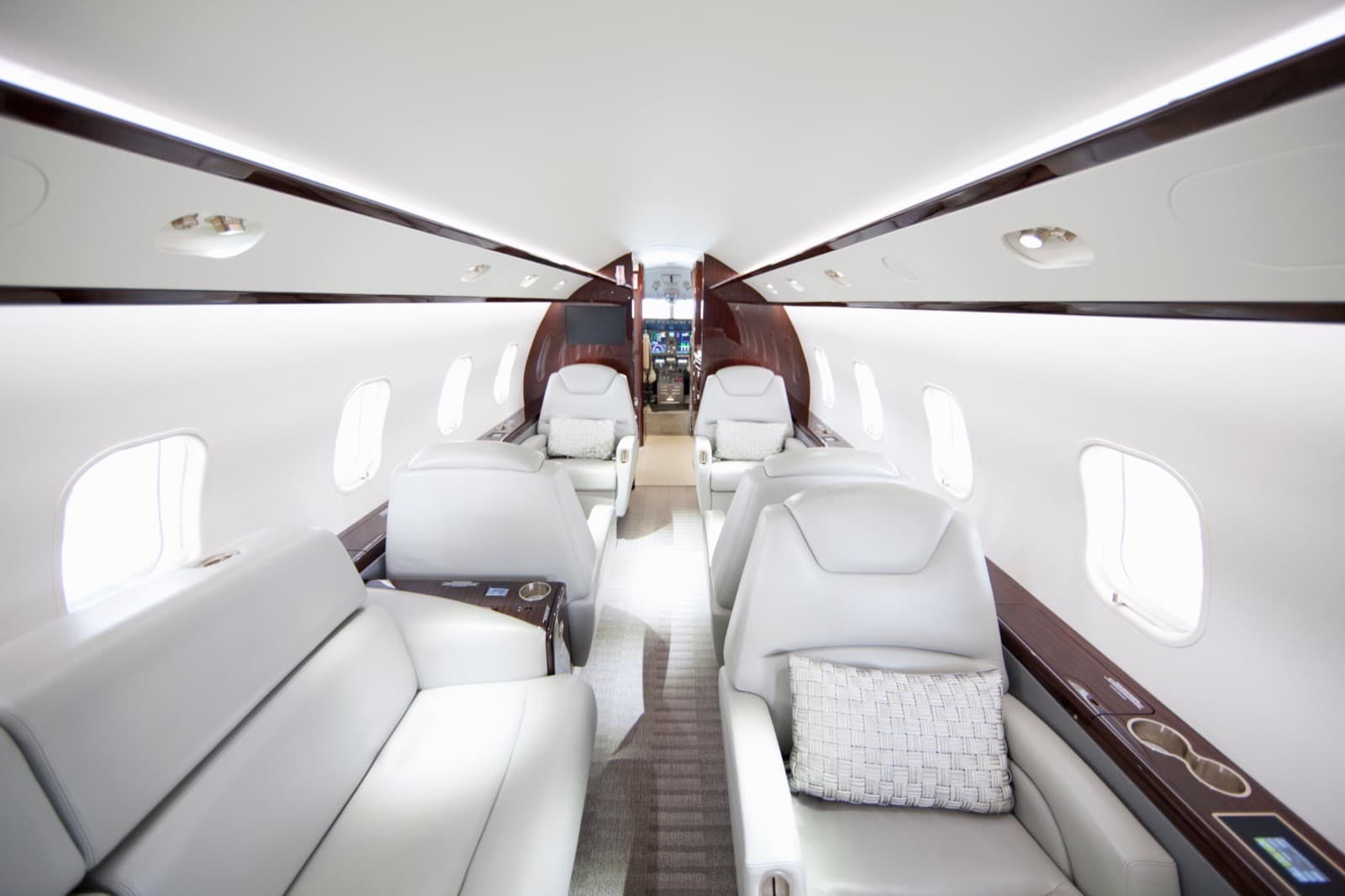
Aircraft into Split (SPU) handles most midsize and heavy jets on the main runway, but ramp space gets tight in July and August and slot times for departure can push into evening. If you're arriving on a heavy from the U.S. via a tech stop, coordinate with ground well in advance — the drive from the airport to ACI Marina Split is short, but the last mile through the old town in season is not.
The Saturday problem
If you're chartering a crewed motor yacht above roughly 30 meters, Saturday turnarounds ease up — larger boats work on more flexible schedules because they're not fighting the bareboat and small-crewed sailing fleet for the same berths. Under 30 meters, plan around the Saturday grid or accept that your first and last days are half-days.
Building the seven-night route
The honest answer on routing is that a good itinerary is written in pencil. The meltemi doesn't blow the Adriatic the way it does the Aegean, but the bura and jugo do, and a captain who's been running these waters for fifteen years will re-sequence your week on Tuesday morning without asking permission. That's the job. What you're building is a preferred order and a set of non-negotiables — the lunch you booked six weeks out at Konoba Menego, the dinner at Zori on Palmižana, the morning you want to swim at Stiniva before the day-tripper boats arrive at 10:30.
A workable Split-based seven-night frame looks like this:
- Day 1 (Saturday): Board mid-afternoon, provisioning already done, short run to Maslinica on Šolta or an anchorage on the north side of Brač. Dinner aboard. Nobody wants a big night on embarkation day.
- Day 2: Down to Vis. Anchor at Stončica or Milna for lunch, into Vis Town or Komiža for the night. Vis is where the trip actually starts — it's the furthest island from the mainland, quieter, and the food is serious.
- Day 3: The Blue Cave at Biševo before the queue forms — that means tender off the boat by 7:30. Then Palmižana for lunch, Hvar Town for the night if your group wants the noise, Stari Grad if they don't.
- Day 4: Korčula. Long swim stops on the way through the Pakleni channel. Korčula Town has real history and a walkable old town that's genuinely pleasant in the evening.
- Day 5: Mljet National Park. Anchor at Pomena or Polače, rent bikes for the saltwater lakes, dinner ashore at Stermasi if you can get in.
- Day 6: Back north via Ščedro or a long lunch anchorage on southern Hvar. Overnight somewhere quiet — this is the buffer day for weather or for a group that wants one more slow lunch.
- Day 7: Return leg toward Split. Bol on Brač for the beach at Zlatni Rat, or Milna for the last dinner. Back in ACI Marina Split overnight so disembarkation Saturday morning is unhurried.
That's a template, not a plan. The plan gets built against your specific group — kids on board changes the anchor time budget, a birthday changes where you want to be on which night, and a serious diver on the manifest means Vis gets an extra half-day for the wreck of the B-24 Tulsamerican.
The operational details nobody tells you about
Port fees and marina reservations
ACI marinas — the state-run chain — take reservations, but during peak weeks (roughly mid-July through late August) the good berths in Hvar, Korčula, and Dubrovnik go before the season starts. A charter captain who's been on the coast for years has relationships that get you a spot on the quay when the online booking says full. That's not a favor you can buy retail. It's the reason you pay for the boat, not just the boat.
Overnight fees on the town quays in high season are real money for larger yachts — Hvar's ferry-adjacent berths run considerably more than the ACI equivalent one bay over. Sometimes worth it, sometimes not. The captain's call.
The sojourn tax and cruising permit
Every guest on a Croatian charter pays a per-day sojourn tax collected at boarding, and the boat operates under a cruising permit that limits certain foreign-flagged vessels to specific routes. If your itinerary crosses into Montenegro for a night at Porto Montenegro — which some groups want — that's a border check-out and check-in with paperwork, and it eats a half-day of the week. Doable, but plan for it.
Provisioning
Serious provisioning happens in Split before you board. Once you're on the islands, you're paying island prices for smaller selection. A good chief stew builds the week's menu from your preference sheet — which you should return in detail, not with "we eat everything." Tell them your kid won't touch fish. Tell them your partner is off alcohol. Tell them you want a proper breakfast on Day 4 because you're going to be up early for the Blue Cave. The preference sheet is the single highest-leverage document in the trip.
Tenders, toys, and the swim schedule
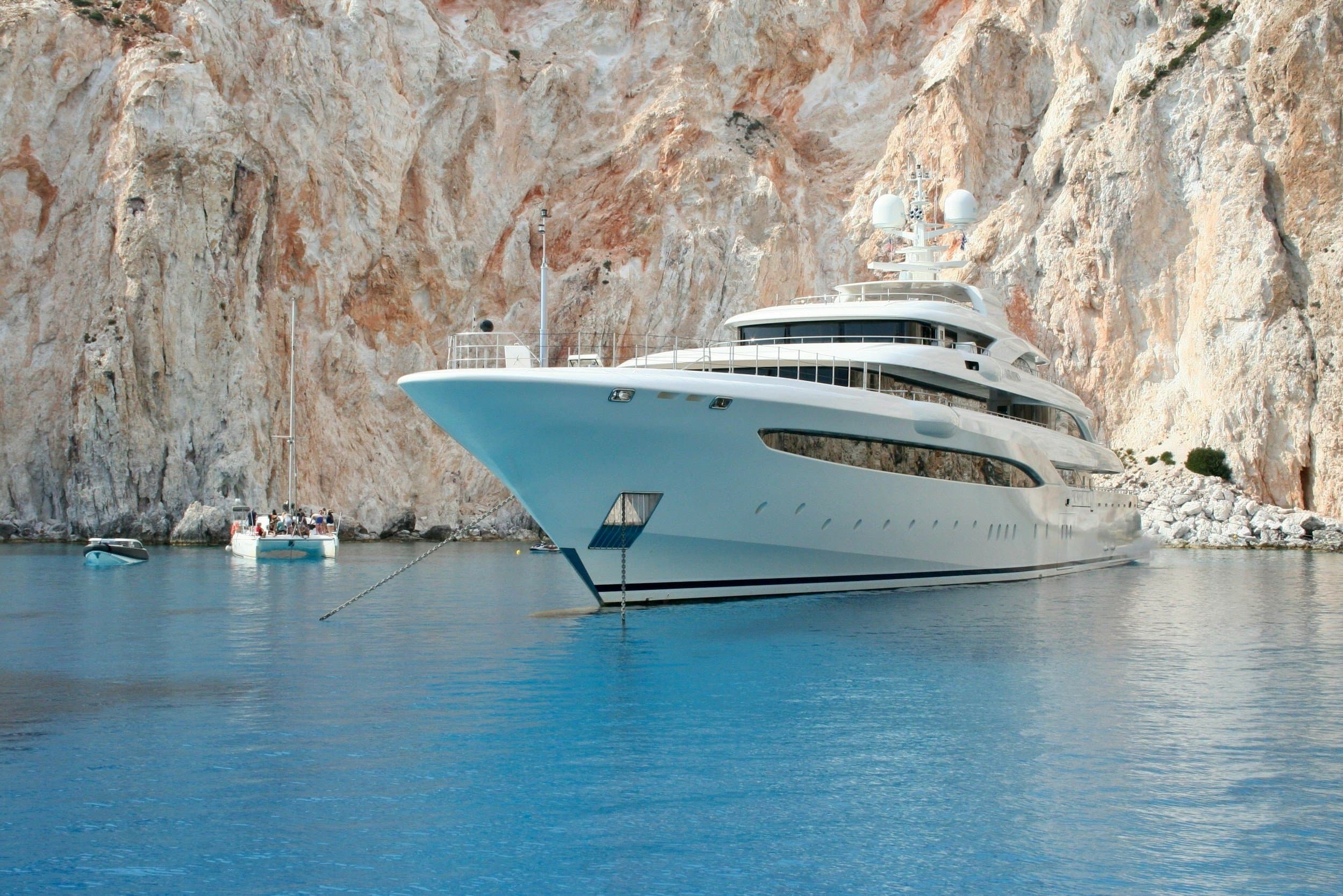
The difference between a good day and a great day at anchor is often the tender operation. A yacht with two tenders — one for water sports, one for shore runs — gives you a swim platform that stays open while someone else is being run into town for a haircut. Ask what's aboard, ask crew count, ask whether the toys require an additional crew member to deploy (some jet skis do, and if that crew member is also the deckhand tying you up in Hvar, you've got a conflict at 5 p.m.).
Weather, timing, and when to actually go
The Adriatic season runs May through late September. July and August are the busiest, most expensive, and most crowded — Hvar Town in the first week of August is not a quiet place. June and September are the operator's choice: warm water, less traffic, better berth availability, more flexible restaurant bookings. Late September specifically — after the summer chop clears and before the autumn bura pattern sets in — is one of the best weeks of the year on this coast.
If you're planning around an event, the Rolex Middle Sea Race starts in Malta in late October and pulls serious sailing crowds through the region in the weeks prior — good time to be on a motor yacht in Croatia if you want the Mediterranean without the race-week noise in Valletta. Book the boat six to nine months out for peak weeks. Twelve months for the specific hulls that get repeat charters.
Generally, sailing distances between islands are short — most legs are two to four hours under power — which means the itinerary is more about anchor time and dinner reservations than transit. That's the opposite of, say, a Bahamas week, where the boat is doing more of the work.
What the boat costs is not what the week costs
Base charter fee, APA (advance provisioning allowance, usually 25–35% of the base), VAT (13% in Croatian waters under the current PDV regime for charter, though this shifts — verify at booking), sojourn tax, and gratuity. That's the stack. The APA covers fuel, dockage, provisioning, and shore excursions billed through the boat. Anything left over is refunded at the end of the charter. Anything short is topped up.
We don't quote specific numbers on this page because the honest answer is that a 40-meter motor yacht in peak August is a different conversation than a 25-meter sailing catamaran in early June, and the delta between those two weeks is enormous. What we will tell you, on a call, is which boats in which weeks make sense for your group and which don't — and we'll tell you the ones we've been aboard and the crews we know by name. Get in touch through contact and we'll walk you through the shortlist.
FAQ
How far in advance should I book a Croatia yacht charter?
For peak weeks — mid-July through late August — six to nine months is the working minimum, and the most-requested yachts go twelve months out. June and September are easier, sometimes bookable inside 90 days, but the specific boat and crew you want will still be gone if you wait until spring.
Is a 7-night charter enough time to see Croatia properly?
Seven nights is the right length for a Split-based loop that covers Vis, Hvar, Korčula, and Mljet with real anchor time on each. Ten nights lets you add Dubrovnik and the Elaphitis or push north into the Kornati. Under seven nights and you're moving too fast to enjoy the islands you came for.
Should I choose a motor yacht or a sailing yacht for the Adriatic?
Both work. Motor yachts give you more interior volume, faster transits when weather moves, and a more stable platform at anchor. Sailing yachts — particularly performance catamarans — give you a quieter ride, shallower draft for tucking into smaller anchorages, and lower fuel burn inside the APA. Group size and how much time you want under way are the two questions that answer this.
Do we need to book restaurants in advance in Hvar and Korčula?
Yes — the good ones in peak season are booked two to six weeks out, and the best tables at places like Zori, Gariful, or Konoba Menego go earlier. Your crew's chief stew or captain handles this once your preference sheet is in, but tell us the specific restaurants that matter to you before the trip, not during it.
Can we cross into Montenegro during a Croatia charter?
Yes, but it requires clearing out of Croatia and into Montenegro with formal paperwork, and back again on return. It costs you most of a day each direction and adds documentation the captain handles. Worth it if Porto Montenegro or Kotor Bay is a real priority; not worth it as a casual add-on.
What's included in the charter fee versus billed separately?
The base fee covers the yacht, crew, insurance, and standard equipment. The APA — typically 25–35% on top — covers fuel, dockage, provisioning, and shore expenses billed through the boat. VAT applies in Croatian waters. Sojourn tax is collected per guest per day at boarding. Gratuity is customary at 5–15% of the base fee, paid to the captain at the end of the week for the crew.
A charter week in Croatia is one of the easier trips in this business to get right and one of the easier ones to get wrong. The margin is in the planning — the boat, the crew, the preference sheet, the berths held before the season opens. If you want to talk through a specific week, we're around.